
Meet the Traditional Mas Characters
that shaped Trinidad Carnival
Traditional mas characters form the foundation of Trinidad Carnival, emerging from the history of enslavement, emancipation, and colonial rule. After 1838, Carnival became a space where formerly enslaved and working-class communities expressed identity, challenged authority, and told their stories through masquerade. Using costume, movement, and symbolism, these characters preserve cultural memory and reflect resistance, creativity, and survival, reminding us that Carnival is more than celebration — it is history in motion.
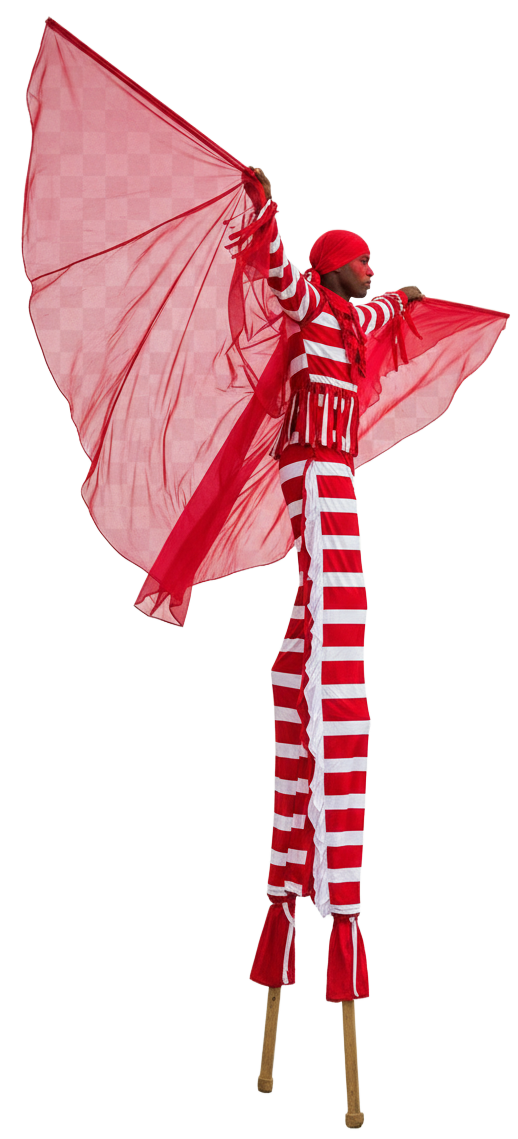
MOKO JUMBIE
Rooted in West African spiritual traditions, the Moko Jumbie represents protection and foresight. Dancing high on stilts, the character was believed to see danger from afar and watch over the community, maintaining a strong connection to ancestral beliefs.
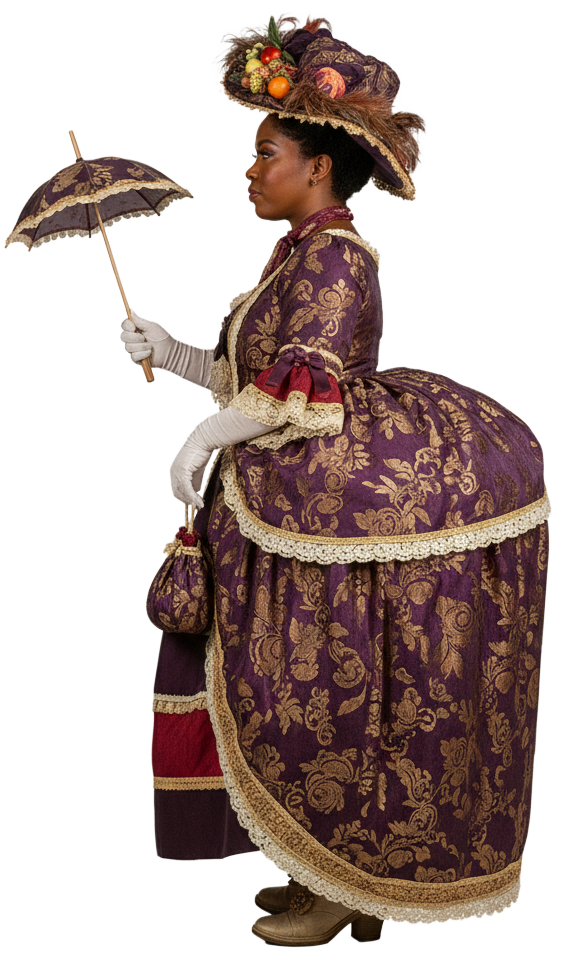
DAME LORRAINE
Dame Lorraine emerged during the late 18th and early 19th centuries as a satirical response to French colonial society. The exaggerated costumes and movements mocked the fashion, excess, and social behaviour of European aristocrats, turning Carnival into a space for social commentary.
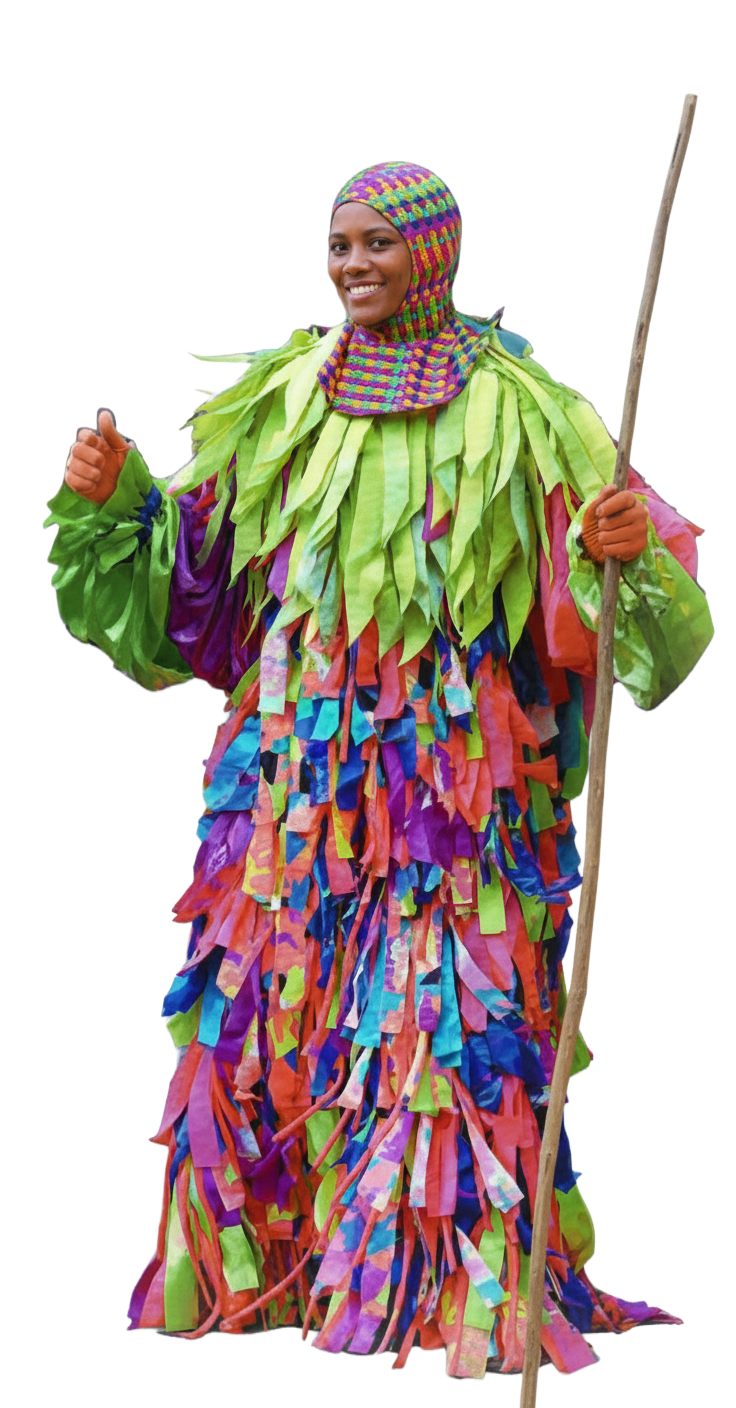
PIERROT GRENADE
Evolving from French theatrical characters, Pierrot Grenade became a distinctly Trinidadian figure who represented intellect and verbal skill. Through long speeches, spelling contests, and wordplay, he celebrated African oral tradition and the power of knowledge in a society that once denied education to the enslaved.
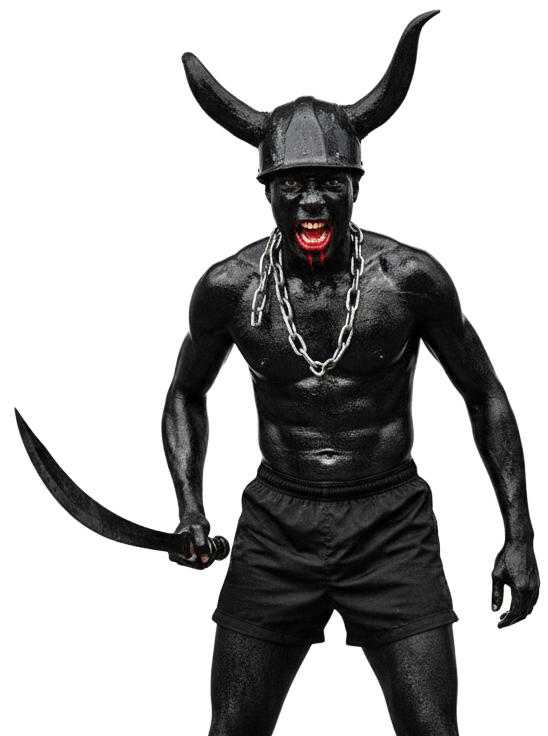
JAB JAB / JAB MOLASSIE
These Devil Mas characters developed in the aftermath of emancipation, drawing on experiences of suffering, punishment, and resistance. Covered in molasses, grease, oil, or paint and often wearing chains or horns, Jab characters used fear and confrontation to symbolise rebellion and the reclaiming of power by formerly enslaved people.
MIDNIGHT ROBBER
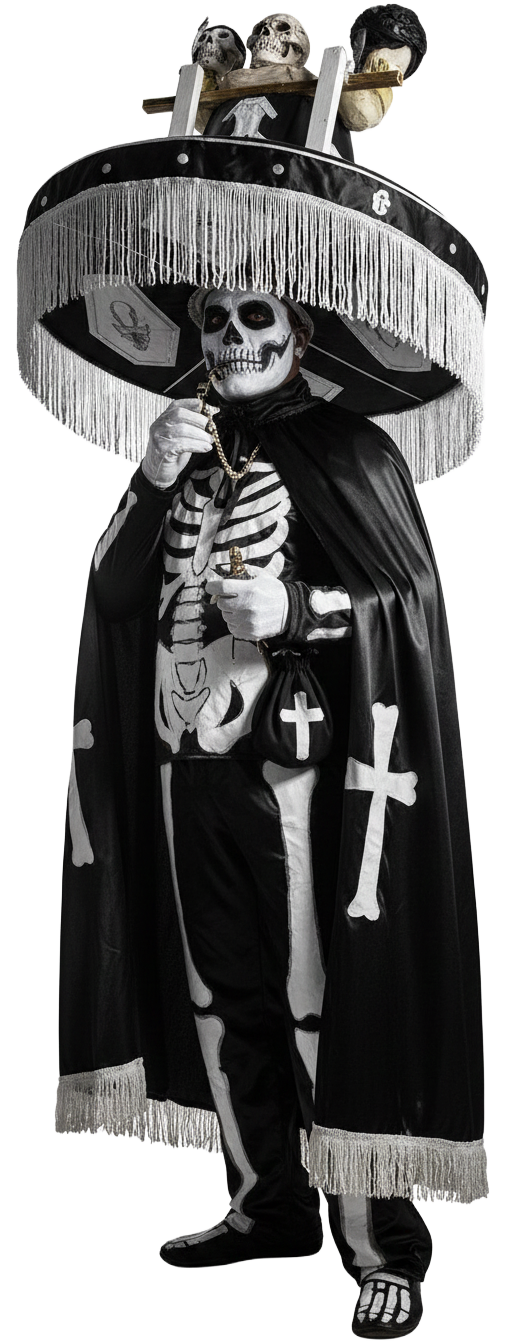
The Midnight Robber emerged as a powerful street performer who used dramatic speeches and intimidation to assert dominance and identity. His elaborate storytelling reflected resistance, survival, and the reclaiming of voice in a society shaped by colonial control.
SAILOR MAS
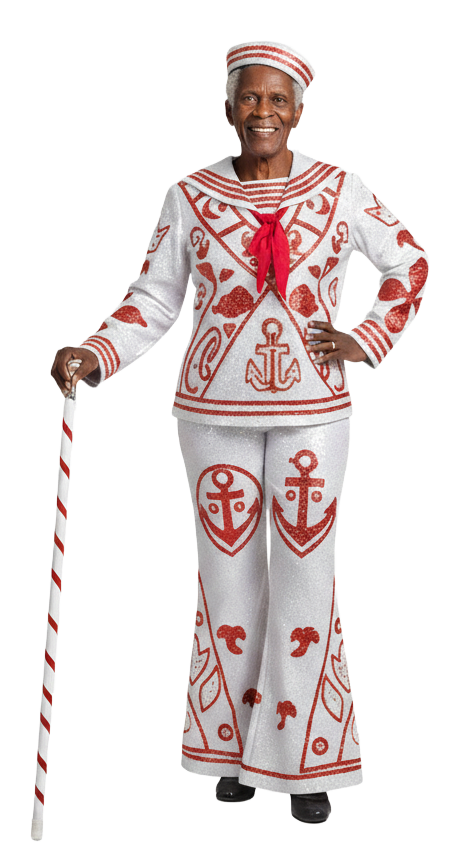
Sailor Mas rose in popularity during World War II, influenced by the presence of foreign naval forces in Trinidad. What began as a reflection of military life was transformed into energetic dance, rhythm, and performance, blending global influence with local creativity.
BABY DOLLS
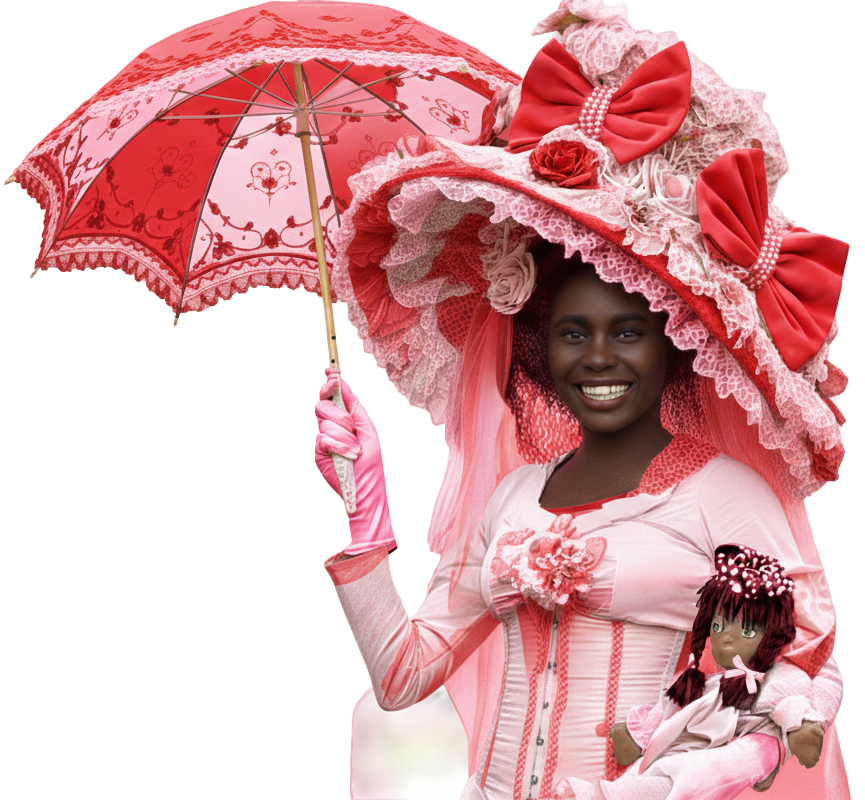
Baby Dolls emerged in the early 20th century as a form of social protest and satire. Women masqueraders carried dolls and accused men in the crowd of being the “father,” using performance and confrontation to highlight issues of abandonment, responsibility, and the struggles faced by working-class women.
BAT (BAT MAS)
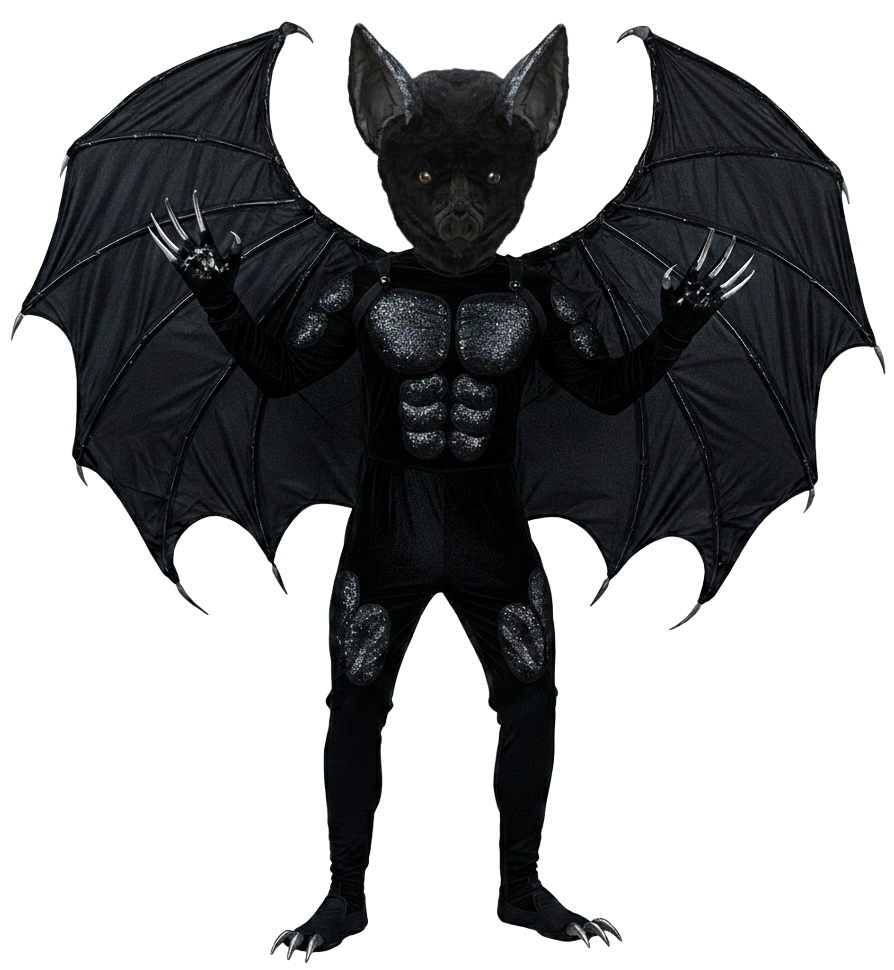
Bat Mas developed as a grotesque and dramatic portrayal of fear and superstition. With large wings and exaggerated movements, the Bat symbolized darkness, mystery, and the unseen forces people feared, turning those fears into theatrical street performance.
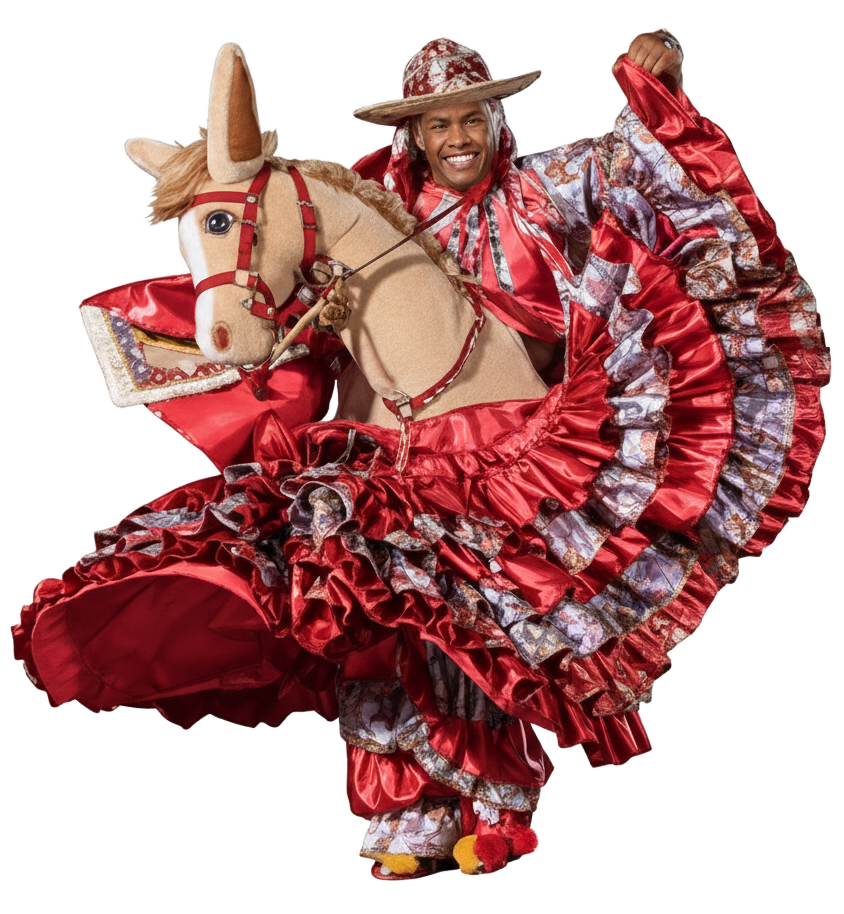
BURROKEET
The Burrokeet character is inspired by the Spanish word burroquito meaning “little donkey.” Performed as a costume illusion, the masquerader appears to ride a donkey, representing satire, humour, and the working-class experience while entertaining crowds through playful movement.
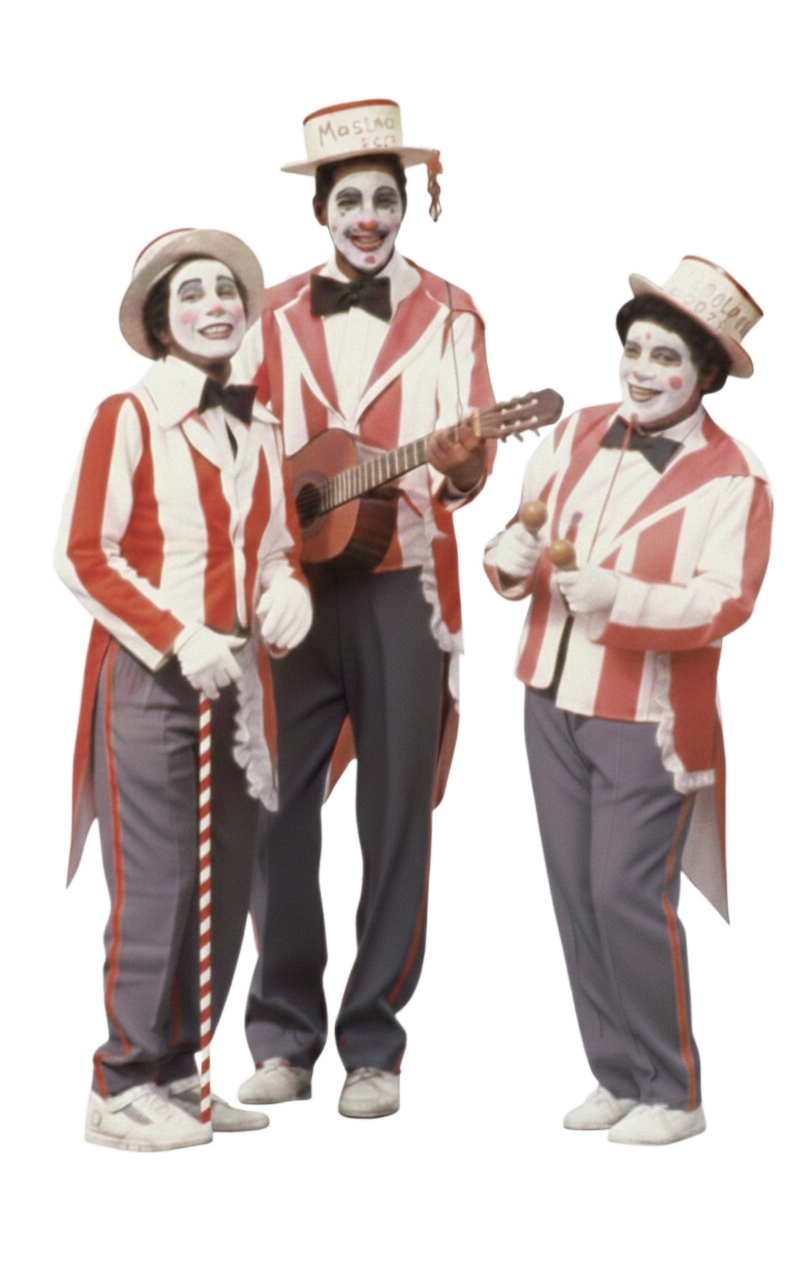
MINSTRELS
Minstrels trace their roots to European minstrel traditions but evolved into a Caribbean form of musical storytelling. Dressed in colourful costumes and performing songs, music, and dance, they used satire and performance to comment on society, politics, and everyday life.

BGL Bermudez Group Ltd. #6 Maloney Street, Mount Lambert, Trinidad W.I.